Featured News - Current News - Archived News - News Categories
Arc Flash PPE Guide: Choosing the Right Cal/cm2 Rated Gear
by mdsassociatesARC FLASH PPE GUIDE: CHOOSING THE RIGHT CAL/CM2 RATED GEAR
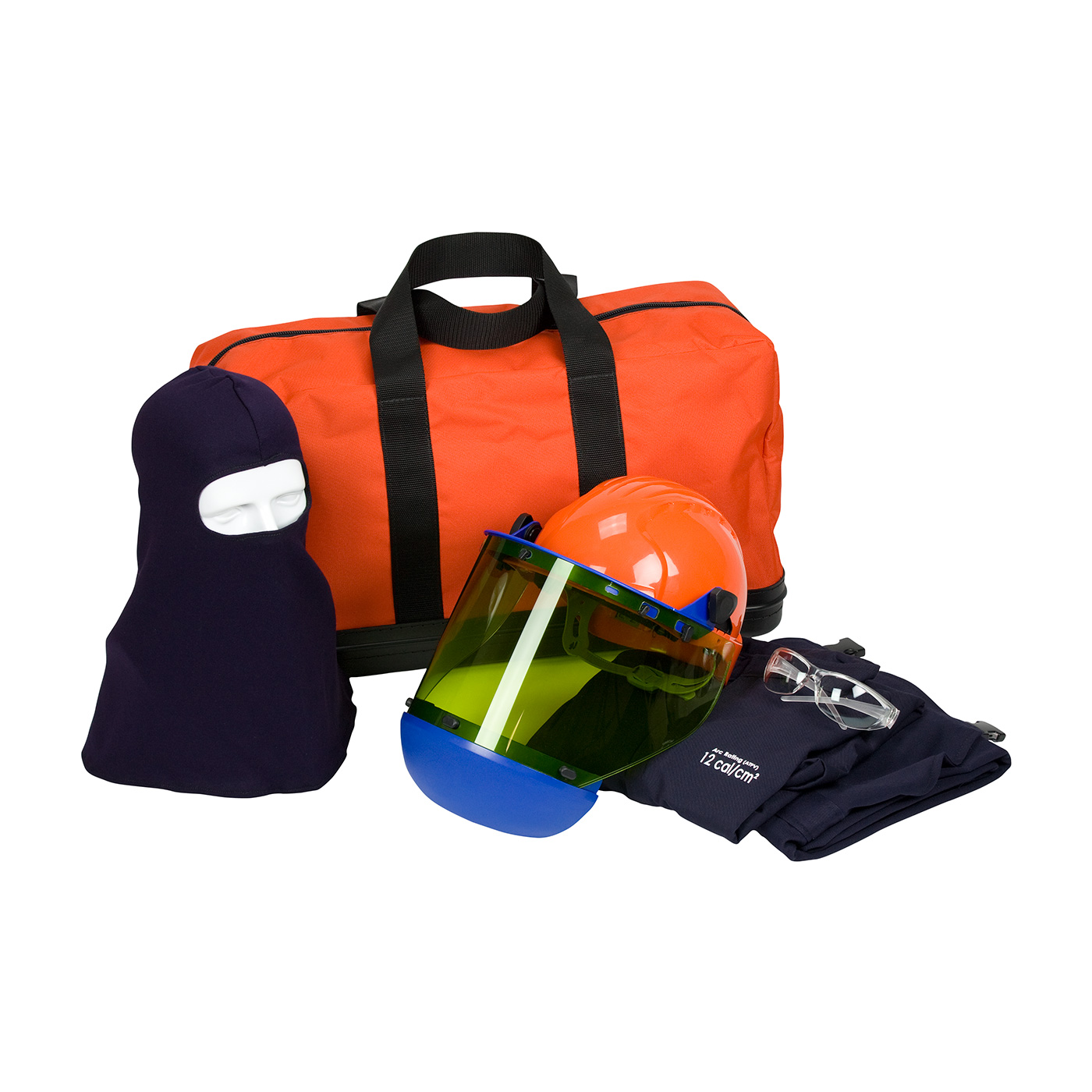
Arc flash is one of the most severe hazards an electrical worker faces. A fault that lasts a split second can release enough heat to cause serious burns through ordinary clothing. NFPA 70E and OSHA both require PPE that matches the arc-flash hazard category of the task. If the match is wrong in either direction, the worker is either underprotected or carries heavier, more expensive gear than the job needs.
NFPA 70E ARC-FLASH PPE CATEGORIES
NFPA 70E Table 130.7(C)(15)(c) sets four PPE categories. Each category has a minimum arc rating in calories per square centimeter (cal/cm2):
| PPE category | Minimum arc rating |
|---|---|
| CAT 1 | 4 cal/cm2 |
| CAT 2 | 8 cal/cm2 |
| CAT 3 | 25 cal/cm2 |
| CAT 4 | 40 cal/cm2 |
Each value is a minimum, not a range. A garment rated at or above the minimum meets that category. For example, a 12 cal/cm2 kit meets CAT 2 with margin to spare, which is normal and acceptable.
The category comes from an arc-flash risk assessment for the specific equipment and task. Under-rated PPE leaves the worker exposed to a burn the gear was never tested to stop. Over-rated PPE adds bulk, heat stress and cost with no benefit for a lower-hazard task.
WHAT THE CAL/CM2 NUMBER MEASURES
The rating on an arc-rated garment is its Arc Thermal Performance Value (ATPV). ATPV is the incident energy, in cal/cm2, at which there is a 50% probability that the wearer gets a second-degree burn. It is a statistical threshold, not a hard line between safe and unsafe.
Some fabrics, especially lighter or looser weaves, can break open under arc exposure before they reach their thermal limit. These fabrics are rated by Energy Breakopen Threshold (EBT), the energy at which the fabric opens and stops protecting the wearer. When a garment has both values, the label shows the lower one, because that is where real protection ends.
ARC-FLASH KITS FROM MDS
When a facility knows its required category, matching the PPE is simple. MDS stocks PIP arc-flash kits from 8 cal/cm2 up to 75 cal/cm2. An 8 cal/cm2 kit also meets CAT 1, because CAT 1 only requires 4 cal/cm2. A full kit (jacket and overall or coverall, hood or face shield, hard hat) is the fastest way to outfit a crew at one known rating. The pieces come matched, so there is no risk of pairing a higher-rated jacket with a lower-rated hood by mistake.
| Kit rating (meets) | PIP arc-flash kits |
|---|---|
| 8 cal/cm2 (CAT 1 and 2) | Kit w/ Coverall |
| 12 cal/cm2 (CAT 1 and 2) | Kit w/ Coverall | Jacket/Overall | Jacket/Overpant | Kit w/ Hard Hat |
| 25 cal/cm2 (CAT 1 to 3) | Kit w/ Coverall | Kit w/ Coverall (alt.) | Jacket/Overall | Jacket/Overall (alt.) |
| 33 cal/cm2 (CAT 1 to 3) | Kit w/ Coveralls | Kit w/ Jacket | Jacket/Overall |
| 40 cal/cm2 (CAT 1 to 4) | Jacket/Overall | Ultralight Jacket/Overpant | Jacket/Overpant |
| 75 cal/cm2 (CAT 1 to 4, high margin) | Jacket/Overall |
Shop all arc flash gloves and PPE, or call us for help matching a kit to your risk assessment.
ARC-RATED GLOVES ARE NOT INSULATING GLOVES
This is the point that is missed most often. An arc-rated glove protects against burns from the heat of an arc. It is not an electrical-insulating glove, and it does not protect against shock.
Protection against contact with live conductors requires a separate rubber insulating glove that is tested and rated to ASTM D120 (Class 00 to 4, by voltage). It is usually worn with leather protectors over the rubber. MDS stocks these gloves in several classes and lengths, for example the PIP Novax Class 0 rubber insulating glove (11 inch) and the PIP Novax Class 2 rubber insulating glove (16 inch). Do not treat an arc-rated glove as a shock-rated glove. Both are often called "electrical PPE," which makes the mistake easy to make.
Electrical work often combines the arc hazard with cut and impact hazards, so arc-rated gloves also carry an ANSI cut-level rating. Our ANSI hand-safety standards guide explains those ratings in detail. The arc-flash gloves below combine FR (flame-resistant) coatings with A3 to A5 cut protection, and some add impact protection or winter insulation for outdoor work.
| Glove | Cut level | Notes |
|---|---|---|
| Superior Glove Dexterity S18KGDNE | A3 | FR neoprene coating |
| Superior Glove Dexterity S13FRNE | A4 | FR neoprene coating |
| Superior Glove Dexterity SKG/PXNE | A5 | Winter lined, neoprene palms |
| Superior Glove Endura 378GOBKVB | A4 | Impact protection, leather driver |
| Superior Glove Endura 378GKG4P 4Pro | A5 | FR, impact protection |
| Portwest A780 Arc Grip | A4 | Neoprene coated |
BUILD THE FULL SYSTEM
The most common mistake with arc-flash PPE is not a low-quality product. It is mismatched pieces: a properly rated jacket with an under-rated glove, arc-rated gloves without arc-rated sleeves or a face shield, or arc-rated gear without the insulating gloves that live work requires. Treat the whole kit, including the insulating layer, as one system matched to the real hazard category of the task.
KEEP ARC-RATED PPE PROTECTIVE OVER TIME
Arc-rated gear protects at its rated level only while it is in good condition:
- Contamination lowers protection. Grease, flammable residue or heavy soiling can reduce arc protection even when the fabric is not damaged. Follow the care instructions from the manufacturer, and do not wash arc-rated garments with items treated with flammable finishes or starch.
- Damage retires the garment. Rips, burns, heavy fraying or broken closures mean the garment no longer performs to its rating at that point. Inspect before each use.
- Gloves wear faster than outerwear. Inspect arc-rated and insulating gloves for cracks, punctures or thin spots before every use. Insulating rubber gloves also need periodic electrical testing for their ASTM D120 class, not only a visual check.
- Fit affects coverage. Gaps at the wrist, neck or waist, where arc-rated pieces should overlap, defeat a matched-rating kit. A correctly sized kit closes those gaps.
FREQUENTLY ASKED QUESTIONS
What does cal/cm2 mean on arc-flash PPE?
It is the Arc Thermal Performance Value (ATPV): the incident energy, in calories per square centimeter, at which there is a 50% chance of a second-degree burn through the garment. A higher cal/cm2 number means more protection.
What is the difference between ATPV and EBT?
ATPV is the thermal burn threshold. EBT (Energy Breakopen Threshold) is the energy at which some fabrics break open before they reach that thermal limit. The rated protection of a garment is the lower of the two values.
Do arc-rated gloves protect against electric shock?
No. Arc-rated gloves protect against burns from the heat of an arc. They do not protect against contact with live conductors. Shock protection requires a separate rubber insulating glove rated to ASTM D120 for the voltage class of the job.
What cal/cm2 rating do I need?
It depends on the arc-flash risk assessment for the specific equipment and task, done per NFPA 70E. A qualified electrical safety assessment sets the required PPE category (CAT 1 to 4) for each task.
Can I use a higher-rated kit than my task requires?
Yes. A garment rated above the category minimum still meets the requirement. The tradeoff is more bulk, weight and heat stress, so most facilities match the rating to the task instead of using the highest rating available.
NEED HELP SELECTING ARC-FLASH PPE?
Orders. Questions. Volume Discounts. Special Requests.
Click or Call Today, Monday to Friday 8:30am to 4:30pm EST